Fresh and frozen foods are not opposing teams. They are different tools for different meals.
Fresh produce may offer crisp texture, seasonal flavor, and immediate convenience for raw dishes. Frozen produce offers longer storage, predictable portions, and less pressure to use everything within a few days. A practical kitchen usually benefits from both.
The better choice depends on the food, its price today, how you plan to prepare it, how quickly it will be eaten, and whether part of the package is likely to be wasted.
The Short Answer
Fresh foods often work best when
- The food will be eaten raw.
- Crispness or firmness is important.
- The product is in season and reasonably priced.
- You can use it before it loses quality.
- You want to choose the exact size, ripeness, or cut.
Frozen foods often work best when
- The food will be cooked into a soup, sauce, casserole, or smoothie.
- You need ingredients that can wait for a busy week.
- Fresh versions are expensive or poor quality.
- You want prewashed and precut ingredients.
- You frequently discard unused fresh produce.
Neither form wins every category
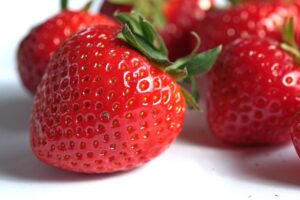
Fresh lettuce is useful for a crisp salad, but frozen peas are more practical for a quick soup. Fresh berries may be ideal for serving whole, while frozen berries often work better in smoothies or cooked oatmeal.
The strongest grocery strategy is to choose the form that fits the planned use rather than buying fresh automatically.
Is Frozen Produce Less Nutritious?
Not automatically. Fruits and vegetables can be nutritious whether they are fresh, frozen, canned, or dried. The nutrient content of a specific food is influenced by variety, maturity, harvest conditions, processing, transportation, storage time, and cooking.
The nutrient content begins with the variety, soil, weather, ripeness, and conditions at harvest.
Many vegetables are briefly blanched before freezing, which can reduce some heat-sensitive nutrients.
Fresh produce may gradually lose quality and some nutrients during transportation and home storage.
Long cooking, excess water, and repeated reheating can affect nutrients in either fresh or frozen food.
Freezing preserves many nutrients well, but it does not lock every food into a permanently perfect nutritional state. Blanching, storage duration, air exposure, and cooking methods still matter.
Fresh produce also varies. Food eaten shortly after harvest is different from the same product after a long period in transportation, retail display, and home refrigeration.
Fresh and Frozen Foods Compared
| Factor | Fresh food | Frozen food | Practical winner |
|---|---|---|---|
| Raw texture | Usually firmer and more suitable for salads or snacking | Often becomes softer after thawing | Fresh |
| Storage time | Often needs to be used within days or weeks | Can remain available for a much longer period when kept frozen | Frozen |
| Preparation time | May require washing, trimming, peeling, and chopping | Often arrives washed and cut | Frozen |
| Seasonal flavor | Can be excellent when ripe and in season | Reliable but may not reproduce fresh texture | Fresh in season |
| Nutrition | Can be highly nutritious, especially when stored and prepared well | Can also retain nutrients well | Both |
| Waste control | Can be wasted when plans change or too much is purchased | Allows smaller portions to be removed as needed | Frozen |
| Cooking control | You can select the cut, ripeness, and exact amount | Pieces and mixtures are usually predetermined | Fresh |
| Price | May be cheaper during peak season or for basic storage vegetables | May be cheaper out of season or when waste is considered | Compare locally |
Compare the Cost You Will Actually Use
The package with the lower price is not always the less expensive choice. The useful comparison includes the amount that reaches the plate.
Think beyond the shelf price
Consider the total cost of:
- Trimming: stems, peels, cores, bones, or damaged pieces.
- Waste: food discarded because it was not used in time.
- Preparation: time, energy, and additional ingredients.
- Convenience: whether the food makes a home-cooked meal more likely.
Use price per pound, ounce, kilogram, or another consistent unit when package sizes differ.
A bag that can be opened repeatedly may provide better value than fresh food that must be eaten immediately.
A discounted product is not economical when it has no planned use or does not fit available freezer space.
Fresh carrots, cabbage, onions, potatoes, apples, and other durable foods may be inexpensive and remain useful for a relatively long period. Frozen berries, peas, spinach, broccoli, and mixed vegetables may offer better value when fresh versions are costly or frequently wasted.
Prices vary by country, region, season, store, promotion, package size, and brand. Compare the products available to you rather than depending on a permanent list of supposed winners.
Foods That Often Work Better Fresh
Lettuce, cucumber, radishes, and many raw salad vegetables depend on crisp texture. Freezing damages their structure and usually makes them watery after thawing.
Basil, cilantro, parsley, mint, and dill can provide aroma and appearance that dried or frozen herbs may not reproduce when used as a final garnish.
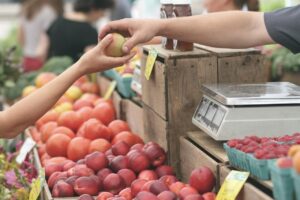
Apples, oranges, grapes, pears, peaches, and similar fruits are usually more enjoyable fresh when they will be eaten whole.
Fresh vegetables may brown or remain crisp more easily in stir-fries, grilled dishes, roasted meals, and recipes where texture is central.
Foods That Often Work Well Frozen
Both can be added directly to soups, rice, pasta, casseroles, and vegetable mixtures. They are easy to portion and cook quickly.
Frozen greens are useful in soup, pasta sauce, eggs, curries, dips, and baked dishes where a crisp raw texture is unnecessary.
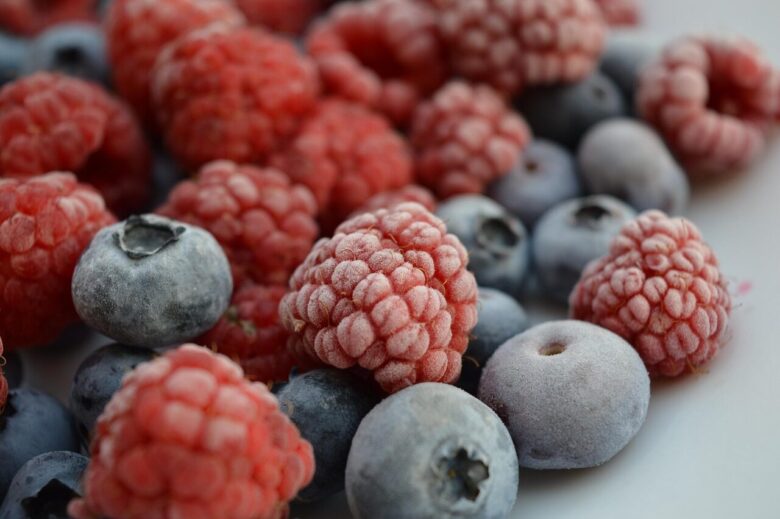
Frozen fruit works well in smoothies, oatmeal, sauces, baked goods, yogurt bowls, and desserts. It may release liquid while thawing.
They are useful for soups, casseroles, pasta, rice dishes, and quick sides. Strong heat and avoiding overcrowding can improve texture.
Use Fresh, Frozen, and Shelf-Stable Foods Together
The most practical grocery cart is often mixed. Fresh foods provide texture and variety, frozen foods provide dependable backups, and shelf-stable foods make it easier to finish a meal.
Fresh foods for this week
- Salad vegetables
- Fruit for snacks
- Fresh herbs for a planned meal
- Seasonal produce
- Foods with a clear use date
Frozen foods for flexibility
- Mixed vegetables
- Peas, corn, or spinach
- Berries or mango
- Fish, poultry, or another protein
- One dependable emergency meal
Shelf-stable support
- Rice, pasta, or grains
- Canned beans
- Canned tomatoes
- Canned fish
- Broth, herbs, and sauces
This system allows delicate fresh produce to be used first while frozen and pantry ingredients remain available later in the week.
What to Check on Frozen Food Labels
Plain frozen fruit and vegetables may contain only the named food. Other products can include sauces, cheese, butter, sugar, salt, flavorings, or several prepared components.
- Confirm the serving size and number of servings in the package.
- Read the ingredient list instead of depending only on front-package claims.
- Compare sodium when vegetables include sauce, seasoning, or cheese.
- Check added sugars in sweetened fruit products, smoothie mixtures, and desserts.
- Review saturated fat when the product contains cream, butter, cheese, or fried coatings.
- Check allergens in prepared meals and seasoned mixtures.
- Confirm whether the food is fully cooked, partially cooked, or raw.
- Follow the package’s cooking and storage instructions.
A plain frozen vegetable and a frozen vegetable covered in sauce are different products. Compare them according to your nutritional needs and intended meal.
How to Cook Frozen Vegetables Without Making Them Watery
- Cook many vegetables directly from frozen unless the package or recipe says otherwise.
- Use a wide pan so released moisture can evaporate.
- Avoid overcrowding the skillet or sheet pan.
- Use enough heat for the cooking method without burning the exterior.
- Add frozen vegetables to soups and stews near the point when their cooking time is needed.
- Drain or squeeze thawed spinach when excess water would affect the recipe.
- Season after some surface moisture has evaporated.
- Do not continue cooking after the desired texture has been reached.
Frozen vegetables were often blanched before freezing, so they may need less cooking than the same food in a completely raw state.
Easy Meals That Use Both Fresh and Frozen Ingredients
Use frozen peas and carrots with cooked rice, eggs, fresh green onions, and a savory sauce.
Cook frozen berries with oats and finish with fresh banana, nuts, seeds, or yogurt.
Combine frozen spinach with canned tomatoes, pasta, fresh garlic, beans, and optional cheese.
Add frozen mixed vegetables to broth with fresh onions, canned beans, herbs, and pasta or rice.
Roast frozen or safely thawed fish with fresh potatoes and frozen broccoli according to appropriate cooking times.
Blend frozen fruit with yogurt and serve with fresh fruit, oats, nuts, or seeds.
Cook frozen vegetables until excess moisture evaporates, then add eggs and finish with fresh herbs or tomatoes.
Combine cooked chicken, frozen vegetables, rice, fresh greens, and a simple dressing or sauce.
Frozen Food Is Not Automatically Safer
Freezing slows or stops the growth of many microorganisms while food remains frozen, but it does not reliably destroy all harmful bacteria. Microorganisms that survive can become active again after thawing.
Some frozen meals contain raw ingredients even when they look browned or ready to eat. Read the package carefully, cook for the full instructed time, and check the temperature when the label requires it.
Frozen products can also be affected by recalls. Freezing does not make recalled food safe.
Freezer Burn Affects Quality, Not Automatically Safety
Freezer burn appears when moisture leaves the food and air reaches its surface. Affected areas may become dry, pale, leathery, or unpleasant in flavor.
Food kept continuously frozen may remain safe even when freezer burn reduces its quality. However, the storage history still matters. Food that thawed, warmed, leaked, or developed other signs of deterioration requires a separate safety assessment.
A simple system for better frozen food
Protect food from air, label it clearly, and use older packages first.
Can You Freeze Fresh Produce at Home?
Many fruits and vegetables can be frozen at home, but the results vary. Freezing changes cell structure, so thawed produce is often best suited to cooked dishes, smoothies, sauces, or baking.
Fruit
- Select fruit in good condition.
- Wash it under clean running water and dry it thoroughly.
- Remove stems, pits, peels, or damaged areas as appropriate.
- Arrange pieces in a single layer and freeze until firm.
- Transfer them to labeled freezer-safe packaging.
Vegetables
Many vegetables benefit from blanching before freezing. Blanching times vary by vegetable and piece size, so use tested instructions from a reliable food-preservation source rather than applying one time to every product.
Lettuce, cucumber, raw tomato slices, and other water-rich foods generally do not return to their original crisp texture after thawing.
Common Fresh-versus-Frozen Mistakes
Buying fresh food without assigning it to a meal
Delicate produce is easy to forget. Before buying it, decide when it will be eaten and what other ingredients are needed.
Assuming frozen food is always cheaper
Seasonal fresh produce and durable foods such as carrots, onions, cabbage, or potatoes may cost less. Compare the current unit prices.
Assuming fresh food is always healthier
Fresh and frozen fruits and vegetables can both contribute useful nutrients. Look at the complete product, preparation, and eating pattern.
Buying frozen vegetables with sauces without checking the label
Sauces and seasonings may add sodium, saturated fat, sugar, allergens, and cost. That may be acceptable, but it should be an informed choice.
Thawing every frozen vegetable before cooking
Many frozen vegetables can be cooked directly from frozen. Unnecessary thawing may release additional water and soften the texture.
Overfilling the freezer with unfamiliar food
Long storage does not create value when the product is never used. Begin with a small number of foods that already fit familiar meals.
Ignoring package cooking instructions
Some frozen products are raw or only partially cooked. Follow the label instead of deciding by appearance alone.
Keeping frozen food in damaged or open packaging
Air exposure increases drying and freezer burn. Transfer food to suitable packaging when the original bag no longer closes securely.
A Practical Shopping Routine
- Check the refrigerator and freezer before making the grocery list.
- Choose fresh produce for meals planned early in the week.
- Choose frozen vegetables and fruit for later meals and backup options.
- Compare fresh and frozen unit prices when either form works in the recipe.
- Buy plain frozen products when you prefer to control seasoning and sauces.
- Store frozen food promptly after shopping.
- Move delicate fresh food into a visible “use first” area.
- Freeze suitable fresh ingredients before they lose quality.
For more help reducing waste, read our guide to storing food properly to keep it fresh longer.
The Best Choice Is the One That Fits the Meal
Choose fresh food when crispness, ripeness, seasonal flavor, or raw presentation matters. Choose frozen food when you need longer storage, quick preparation, dependable portions, or ingredients for cooked meals.
Do not judge a grocery cart by how much fresh produce it contains. A combination of fresh, frozen, canned, dried, and pantry foods can support balanced meals while controlling cost and waste.
The most nutritious ingredient is not useful when it is discarded. The most economical package is not a bargain when nobody wants to eat it. Buy the form that your household can store, prepare, and enjoy.
For additional planning ideas, review our guides to saving money on groceries without sacrificing quality, building a weekly meal plan on a budget, and building a practical pantry.

The ElsonFoods Editorial Team creates practical food guides, simple recipes, grocery tips, and everyday cooking advice for home cooks. Content is prepared for clarity, usefulness, and accuracy without implying professional medical, dietetic, or culinary credentials.