A successful one-pot dinner is not simply a regular recipe forced into fewer dishes.
It is a meal designed around ingredient timing, liquid control, safe cooking temperatures, and a pot or pan large enough to cook everything evenly.
When the method works, a single vessel can produce a practical combination of protein, vegetables, and a satisfying meal foundation with less cleanup. When the method is poorly planned, the result may contain burnt rice, watery vegetables, undercooked meat, or pasta stuck to the bottom.
What Counts as a One-Pot Meal?
One-pot meal
A soup, stew, rice dish, pasta meal, curry, or chili prepared in one pot, Dutch oven, or deep saucepan.
Ingredients may enter at different stages, but they finish in the same vessel.
One-pan meal
A skillet dinner or oven meal prepared in one deep skillet, roasting dish, or sheet pan.
This format is useful when browning or roasted texture is more important than a sauce.
One-vessel meal
A broader category that includes both of the methods above.
A cutting board, knife, measuring cup, or temporary plate may still be needed. The main benefit is reducing cooking vessels rather than eliminating every utensil.
The Basic One-Pot Sequence
Many one-pot meals can be built with the same general sequence. Not every recipe requires all six stages.
Brown, soften, season, add liquid, simmer, finish
Ingredients that need the longest cooking time usually enter first. Delicate vegetables, fresh herbs, dairy products, and quick-cooking seafood often enter later.
Choose the Right Vessel
The pot should match the meal
A useful vessel should provide:
- Enough surface area for browning without severe crowding.
- Enough depth for liquid, grains, pasta, and stirring.
- A stable lid when the recipe depends on trapped steam.
- Oven-safe construction when the meal moves from the stovetop to the oven.
A four- to six-quart pot is often useful for meals serving several people, but household size and recipe volume matter more than one universal measurement.
Six Rules That Prevent Common One-Pot Problems
Cut similar ingredients evenly
Potato pieces of very different sizes will not become tender at the same time. Aim for reasonably consistent pieces rather than perfect shapes.
Do not overcrowd the surface
Crowded meat and vegetables release moisture faster than it can evaporate. Use a wider vessel or accept a softer, steamed result.
Measure grain and pasta liquid
The required amount changes with the grain, pasta shape, tomatoes, vegetables, lid, heat, and vessel. Begin with the recipe or package guidance.
Stir only as much as needed
Pasta may require frequent stirring, while covered rice should generally be disturbed less. Follow the needs of the ingredient rather than one universal rule.
Add quick ingredients later
Peas, spinach, herbs, cooked beans, cheese, and tender seafood often need less time than grains, potatoes, or raw poultry.
Check doneness before serving
Confirm that grains and vegetables are tender and use a thermometer for meat, poultry, fish, casseroles, and reheated leftovers.
Seven One-Pot and One-Pan Weeknight Dinners
The cooking times are estimates. Stove strength, cookware, ingredient temperature, altitude, piece size, and household portions can change the actual timing.
What you need
- Boneless or bone-in chicken thighs
- Long-grain rice
- Onion
- Garlic
- Broth
- Canned tomatoes or chopped fresh tomatoes
- Frozen peas
- Paprika, oregano, salt, and pepper
- A small amount of cooking oil
- Optional lemon
Simple method
- Season the chicken and brown it in a deep pot with a small amount of oil.
- Transfer the chicken to a clean plate. It does not need to be fully cooked yet.
- Cook the onion until softened, then add the garlic briefly.
- Add the rice and stir until coated.
- Add the tomatoes and the amount of broth appropriate for the rice and recipe.
- Return the chicken, bring the liquid to a gentle simmer, cover, and reduce the heat.
- Cook until the rice is tender and the chicken reaches 165°F or 74°C internally.
- Add frozen peas near the end and allow the covered pot to rest briefly before serving.
What you need
- Red lentils
- Onion
- Carrots
- Celery or another available vegetable
- Garlic
- Canned tomatoes
- Broth or water with suitable seasoning
- Cumin, paprika, turmeric, or preferred herbs
- Optional lemon or vinegar
Simple method
- Rinse and inspect the lentils.
- Cook onion, carrots, and celery in a small amount of oil.
- Add garlic and spices and stir briefly.
- Add lentils, tomatoes, and broth.
- Bring to a boil, reduce to a gentle simmer, and cook until the lentils are soft.
- Add more liquid when the soup becomes thicker than desired.
- Taste, adjust seasoning, and add a small amount of lemon juice or vinegar when desired.
What you need
- Short pasta or spaghetti that fits the pot
- Canned tomatoes
- White beans or chickpeas
- Onion
- Garlic
- Broth or water
- Frozen or fresh spinach
- Dried basil, oregano, or another herb
- Optional Parmesan or another finishing ingredient
Simple method
- Cook the onion in a deep skillet or pot until softened.
- Add the garlic and herbs briefly.
- Add the tomatoes, pasta, and enough liquid to cook the pasta without creating excessive soup.
- Bring to a boil, reduce the heat, and stir frequently so the pasta does not stick.
- Add drained beans during the later part of cooking.
- Add spinach when the pasta is nearly tender.
- Remove from the heat when the pasta is cooked and a small amount of sauce remains.
- Rest briefly and add cheese or herbs when desired.
What you need
- Canned chickpeas
- Onion
- Garlic
- Carrots, peppers, cauliflower, peas, or mixed vegetables
- Canned tomatoes
- Coconut milk
- Curry powder or a preferred spice mixture
- Spinach or another quick-cooking green
- Optional cooked rice or flatbread for serving
Simple method
- Cook the onion and firm vegetables in a deep skillet or pot.
- Add garlic and curry seasoning and stir briefly.
- Add tomatoes, coconut milk, and drained chickpeas.
- Simmer until the vegetables are tender and the sauce thickens.
- Add spinach or peas near the end.
- Taste and adjust salt, spice, or acidity.
- Serve alone, with bread, or over a safely prepared grain.
What you need
- Ground turkey, beef, chicken, or additional beans
- Onion
- Garlic
- Canned tomatoes
- Tomato sauce
- Kidney beans, black beans, or pinto beans
- Broth or water
- Chili powder, cumin, paprika, and oregano
- Optional corn, peppers, or diced sweet potato
Simple method
- Brown the ground meat in a large pot, breaking it into small pieces.
- Cook until the ground meat reaches 160°F or 71°C.
- Add the onion and cook until softened.
- Add garlic and spices and stir briefly.
- Add tomatoes, sauce, drained beans, and enough liquid for the desired consistency.
- Simmer gently, stirring occasionally, until the flavors combine and the chili thickens.
- Taste before adding extra salt because broth, tomatoes, beans, and seasoning mixtures may already contain sodium.
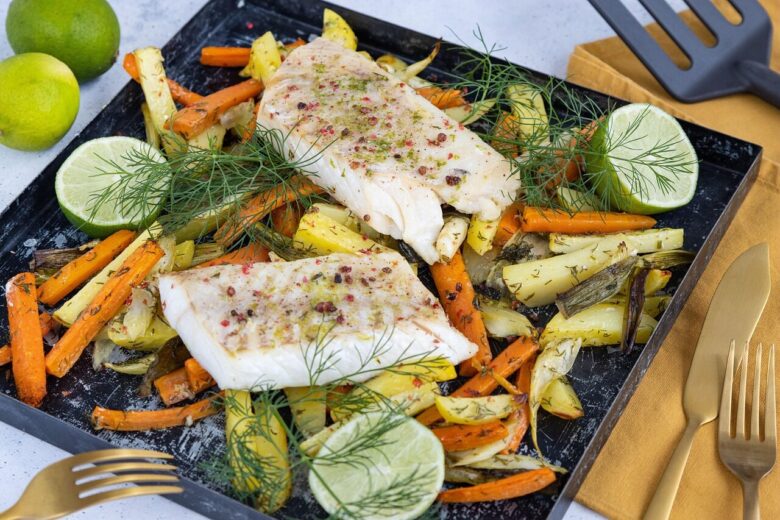
What you need
- Salmon, trout, cod, or another suitable fish fillet
- Small potatoes
- Broccoli, green beans, asparagus, or zucchini
- Cooking oil
- Garlic
- Dill, parsley, thyme, or another herb
- Lemon
- Salt and pepper
Simple method
- Preheat the oven and cut the potatoes into similar pieces.
- Toss the potatoes with oil and seasoning and begin roasting them first.
- Add the vegetables after the potatoes have partially cooked.
- Add the fish during the final stage because it generally cooks faster than the potatoes.
- Cook the fish to 145°F or 63°C in the thickest section.
- Remove the pan when the vegetables are tender and the fish has reached its safe temperature.
- Finish with lemon and herbs.
What you need
- Cold cooked rice that was refrigerated promptly
- Eggs
- Frozen or chopped vegetables
- Cooking oil
- Soy sauce or another savory seasoning
- Optional tofu, chicken, beans, or canned fish
- Optional green onions, herbs, or sesame seeds
Simple method
- Heat a deep skillet and cook the beaten eggs.
- Move the eggs to one side or transfer them briefly to a clean plate.
- Cook the vegetables until hot and excess moisture begins to evaporate.
- Add the cold rice and break apart any clumps.
- Add the eggs, seasoning, and any fully cooked additional protein.
- Cook until the entire mixture reaches 165°F or 74°C when reheating previously cooked ingredients.
- Serve promptly.
Match the Ingredient to the Correct Stage
| Ingredient type | Typical stage | Reason | Examples |
|---|---|---|---|
| Ingredients that benefit from browning | Beginning | They need direct contact with the hot surface before liquid is added. | Meat, poultry, tofu, mushrooms |
| Firm aromatic vegetables | Early | They need time to soften and build the base of the meal. | Onion, carrots, celery, peppers |
| Dry grains and lentils | Before simmering | They need sufficient time and measured liquid to become tender. | Rice, barley, lentils |
| Dry pasta | During liquid stage | It must remain surrounded by enough liquid and usually needs stirring. | Spaghetti, penne, orzo |
| Already cooked canned foods | Middle or late | They usually need heating and flavor absorption rather than long cooking. | Beans, chickpeas, corn |
| Delicate vegetables | Late | They can become soft, dull, or watery during extended cooking. | Peas, spinach, zucchini, herbs |
| Dairy and fresh finishing ingredients | After heat is reduced or turned off | Some products can separate, become grainy, or lose fresh flavor during hard boiling. | Yogurt, cheese, herbs, citrus |
Control the Liquid Instead of Guessing
When the pot is too dry
- Reduce the heat.
- Add a small amount of hot broth or water.
- Stir pasta gently to release stuck areas.
- Confirm that the lid fits when steam is needed.
When the pot is too wet
- Remove the lid.
- Simmer gently for additional evaporation.
- Avoid adding more quick-cooking vegetables until the liquid reduces.
- Allow grains or pasta a short resting period.
When ingredients cook unevenly
- Cut firm ingredients smaller next time.
- Add quick ingredients later.
- Use a wider vessel.
- Keep the simmer steady rather than excessively aggressive.
Rice and pasta ratios should not be changed casually. Different varieties absorb different amounts of liquid, and tomatoes, frozen vegetables, meat juices, evaporation, and pot shape all affect the final consistency.
Simple Swaps for Flexible Weeknight Meals
Skip the browning stage and add drained chickpeas with the tomatoes or broth. Adjust seasoning and liquid as needed.
Use cooked lentils in chili, tomato sauce, or rice skillets. Dry lentils require additional liquid and cooking time.
Add frozen vegetables according to their size and the package directions. They may release additional moisture.
Cooking time and liquid requirements can change substantially. Use the directions for the replacement grain.
Water can work when herbs, spices, tomatoes, vegetables, or bouillon provide enough flavor. Check sodium before adding salt.
Try herbs, toasted seeds, yogurt, lemon, vinegar, salsa, or a suitable dairy-free alternative.
For more guidance on flexible protein choices, read our guide to high-protein foods for easy everyday meals.
A Five-Night One-Pot Meal Rotation
Use chicken, rice, tomatoes, onions, peas, and a mild seasoning blend.
Use lentils, carrots, tomatoes, broth, herbs, and bread or another simple side.
Use pasta, beans, tomatoes, spinach, garlic, and optional cheese.
Finish earlier meals or combine remaining components in bowls, wraps, or soup.
Use fish, potatoes, a green vegetable, herbs, and lemon.
The rotation can be changed according to ingredient freshness, family schedule, and leftovers. Our guide to building a healthy weekly meal plan on a budget provides a complete planning system.
Prepare and Freeze One-Pot Meals Safely
Meals that often freeze well
- Bean and meat chili
- Lentil soup
- Tomato-based stew
- Cooked beans
- Curry without delicate toppings
- Some rice dishes, depending on texture preference
Freeze food because it fits a future plan, not simply because the pot produced too much.
Transfer food into shallow containers rather than leaving a deep pot to cool slowly.
Write the food name, freezing date, and quantity or number of portions.
Do not wait until the final safe refrigerator day when you already know the food will not be eaten.
Heat leftovers to 165°F or 74°C and stir foods heated in a microwave to reduce cold spots.
Most properly refrigerated cooked leftovers should be used within three to four days or frozen earlier. Review our detailed guide to storing food properly to keep it fresh longer.
Food-Safety Temperatures for One-Pot Meals
- Keep the refrigerator at 40°F or 4°C or below.
- Wash hands before cooking and after handling raw meat, poultry, seafood, or eggs.
- Keep raw animal products away from ready-to-eat ingredients.
- Use a clean plate when temporarily removing partially cooked meat or poultry.
- Return partially cooked animal protein to the pot promptly and complete the cooking process.
- Use a thermometer in the thickest section without touching bone.
- Refrigerate perishable food within two hours, or within one hour above 90°F or 32°C.
- Divide large amounts of leftovers into shallow containers.
Common One-Pot Cooking Problems
The rice is hard but the pot is dry
Add a small amount of hot liquid, reduce the heat, cover the pot, and continue cooking. Next time, check the liquid ratio, lid fit, and heat level.
The rice is soft and the meal is watery
Remove the lid and allow excess liquid to evaporate gently. Avoid vigorous stirring that may break the softened grains further.
The pasta sticks to the bottom
Use a heavy-bottomed vessel, maintain enough liquid, and stir frequently, especially during the first part of cooking.
The vegetables become mushy
Add delicate vegetables later, cut firm vegetables larger, or remove cooked vegetables before the rest of the meal finishes.
The meat browns poorly
Dry the surface when appropriate, heat the pot first, avoid crowding, and allow the first side to brown before moving it.
The meal tastes flat
Check salt, then consider herbs, spices, tomatoes, cheese, yogurt, citrus, vinegar, salsa, or another flavor element that suits the dish.
The meal becomes too salty
Broth, canned tomatoes, beans, cheese, sauces, and seasoning blends may all contribute sodium. Use lower-sodium components when helpful and taste before adding more salt.
The pot is too crowded to stir
Transfer the meal to a larger vessel or reduce the recipe size. A pot filled to the top does not provide enough room for safe, even stirring.
Everything finishes at a different time
Begin with the slowest ingredients, use similar piece sizes, and add delicate foods later. One-pot cooking depends on timing more than simultaneous addition.
A Simple One-Pot Shopping List
- Choose two meal foundations such as rice, pasta, potatoes, or another grain.
- Choose two flexible protein foods such as beans, lentils, eggs, chicken, fish, or tofu.
- Keep canned tomatoes, broth, and one preferred sauce or spice mixture available.
- Buy durable fresh vegetables such as onions, carrots, cabbage, or potatoes.
- Keep frozen peas, spinach, broccoli, or mixed vegetables for later-week meals.
- Choose one finishing ingredient such as lemon, herbs, yogurt, cheese, or salsa.
- Check the pantry and freezer before buying duplicate ingredients.
- Purchase larger packages only when there is a realistic storage and portioning plan.
For broader grocery guidance, see our articles about affordable foods to consider buying each week and reading food labels and comparing products.
A Practical Place to Begin
Start with one dependable meal: chicken and rice, lentil soup, bean pasta, chili, curry, or a sheet-pan fish dinner.
Learn the order in which its ingredients cook, measure the liquid carefully, use a vessel with enough space, and check animal proteins with a thermometer.
Once the method feels familiar, change one part at a time. Replace the protein, vegetable, grain, sauce, or seasoning while preserving the original cooking structure.
One-pot cooking becomes useful when it works as a framework rather than a collection of rigid recipes. The result should be a meal that fits the evening, uses ingredients efficiently, and leaves fewer cooking vessels to clean.
For more weeknight ideas, review our guides to healthy dinners for busy families, simple pantry dinners, and cooking faster while wasting less food.

The ElsonFoods Editorial Team creates practical food guides, simple recipes, grocery tips, and everyday cooking advice for home cooks. Content is prepared for clarity, usefulness, and accuracy without implying professional medical, dietetic, or culinary credentials.