Food stays useful longer when it is stored according to its actual needs, not simply placed wherever there is an empty space.
Temperature, moisture, airflow, packaging, and visibility all affect quality. Good storage also protects against cross-contamination and makes it easier to notice ingredients before they are forgotten.
This guide separates food quality from food safety. A storage method may help bread stay soft or herbs remain crisp, but perishable foods still need to remain at safe temperatures. When packaging instructions differ from general advice, follow the product label.
Begin With the Refrigerator Temperature
A refrigerator should remain at or below 40°F (4°C), while a freezer should remain at 0°F (-18°C) or below. The setting printed on a refrigerator dial does not always show the actual internal temperature, so an inexpensive appliance thermometer is useful.
Check the thermometer periodically and after a power interruption, an unusual change in performance, or a large grocery trip that leaves the appliance heavily packed.
Use Refrigerator Zones More Effectively
What belongs in the door?
The refrigerator door usually experiences the greatest temperature changes because warm air enters whenever it is opened.
- Condiments
- Pickles
- Jam and preserves
- Some sauces and dressings
- Drinks that are not highly perishable
Milk, raw eggs, meat, seafood, and other highly perishable foods are generally better stored in the main compartment.
Prevent Raw Food From Contaminating Ready-to-Eat Food
Raw meat, poultry, and seafood should be kept below foods that will be eaten without additional cooking. Store them in sealed packaging or place the package inside a leak-proof tray or container.
Keep it contained
Use a tray, bowl, or sealed container that can catch leaking juices. Clean the container before using it for another purpose.
Keep it low
Place raw animal products on the lowest practical shelf so accidental leaks cannot drip onto fruit, leftovers, cheese, or prepared meals.
Use or freeze promptly
Ground meat and fresh poultry generally have shorter refrigerator storage periods than whole cuts of beef or pork.
Do not wash raw poultry
Rinsing raw poultry can spread contaminated droplets around the sink, counter, utensils, and nearby food.
Store Produce According to Moisture and Ripening
There is no single storage method that works for every fruit and vegetable. Some foods need airflow, others benefit from humidity, and some continue ripening after they are brought home.
Refrigerate in a clean container or bag with enough protection to prevent crushing. Excess surface moisture encourages deterioration, so wash shortly before use or dry thoroughly before storage.
Remove damaged or moldy berries, refrigerate the rest, and wash them shortly before eating. Keeping them dry helps slow deterioration.
Refrigerate in the crisper drawer or another covered container. Keep cut pieces refrigerated and use clean water if you choose a water-storage method.
Keep refrigerated in packaging that allows some airflow. Avoid leaving them wet, and wash or wipe them shortly before cooking.
Allow firm tomatoes to ripen at room temperature away from direct sunlight. Once fully ripe, refrigeration can slow further softening, although texture may change.
They can remain at room temperature for short-term use, but refrigeration generally extends their quality. Keep them away from produce that is especially sensitive to ripening gases.
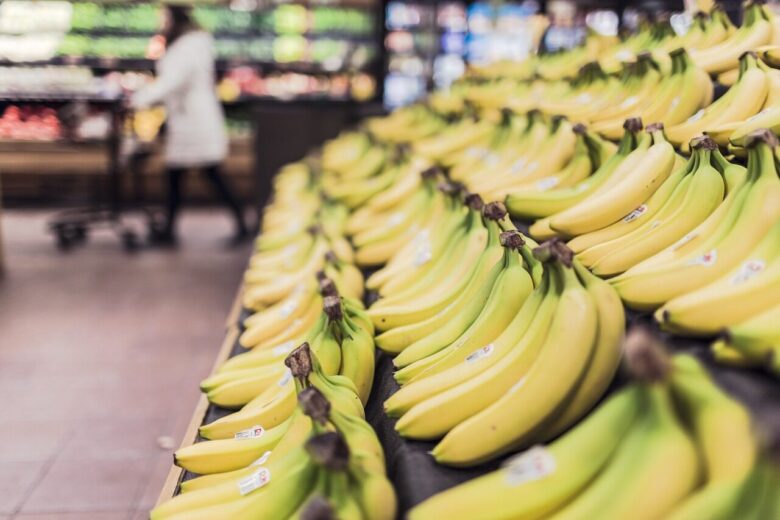
Keep at room temperature while ripening. Once ripe, refrigeration can slow further softening, although the peel will often darken.
Store unwashed in a cool, dark, ventilated place. Avoid sealed plastic bags, direct sunlight, excessive warmth, and storage immediately beside onions.
Keep in a dry, ventilated place. Refrigerate onions after cutting, peeling, or cooking.
Separate Produce That Ripens Quickly
Apples, bananas, avocados, pears, peaches, tomatoes, and several other fruits release ethylene as they ripen. Nearby produce that is sensitive to ethylene may soften or deteriorate more quickly.
You do not need to isolate every piece of fruit. A practical approach is to keep actively ripening bananas, avocados, pears, and similar foods away from delicate greens, broccoli, cucumbers, and berries.
Fresh Herbs Need Different Treatment
Parsley and cilantro
Trim the stem ends and place the bunch in a small amount of clean water. Cover loosely and refrigerate. Change the water when it becomes cloudy.
Basil
Basil is sensitive to cold. A small bunch may keep better at room temperature with the stems in water, away from direct sunlight and heat.
Rosemary and thyme
Wrap loosely in a slightly damp paper towel or clean cloth and refrigerate inside a container or bag.
Chopped herbs
Use promptly or freeze suitable herbs in small portions. Label the container because chopped green herbs can be difficult to identify after freezing.
Store Dairy and Eggs in the Main Compartment
Milk, yogurt, eggs, and many cheeses benefit from stable refrigeration. Avoid storing them in the refrigerator door when a colder, more stable shelf is available.
Milk and plant-based refrigerated drinks
Keep the container closed and return it to the refrigerator promptly after pouring. Follow the label after opening because recommended periods vary by product and processing method.
Eggs
Store eggs in their original carton in the main refrigerator compartment. The carton protects them from breakage and odors and keeps the date information available.
Yogurt
Keep yogurt covered and use clean utensils. Do not return a spoon to the container after it has touched another food or been used for eating.
Cheese
Storage depends on the cheese. Keep soft and fresh cheeses tightly covered. Hard and semi-hard cheeses should be protected from drying while avoiding unnecessary moisture buildup. Follow package instructions when provided.
Refrigerator and Freezer Times for Common Foods
These periods are general home-storage guidelines. Product labels, preparation methods, appliance temperature, and the condition of the food can affect how long an item remains suitable.
| Food | Refrigerator at 40°F or below | Freezer at 0°F or below | Storage note |
|---|---|---|---|
| Raw ground meat | 1–2 days | About 3–4 months for best quality | Freeze promptly when it will not be cooked soon. |
| Raw poultry pieces | 1–2 days | About 9 months for best quality | Keep sealed on the lowest refrigerator shelf. |
| Whole raw poultry | 1–2 days | About 1 year for best quality | Use freezer-safe wrapping for longer storage. |
| Fresh beef, pork, lamb, or veal cuts | 3–5 days | Time varies by cut | Check the official cold-storage chart for the specific cut. |
| Fresh fish | Usually 1–3 days | Time varies by fish type | Store in the coldest stable section and use promptly. |
| Cooked leftovers | 3–4 days | Often 2–6 months for best quality | Cool in shallow containers and label with the date. |
| Soups and stews | 3–4 days | About 2–3 months for best quality | Divide large amounts before refrigerating. |
| Hard-cooked eggs | 1 week | Freezing is not recommended | Keep refrigerated after cooking. |
Store Leftovers Without Waiting for Them to Cool Completely
One of the most important corrections to older kitchen advice is that cooked food does not need to remain on the counter until it reaches room temperature.
Perishable food and leftovers should generally be refrigerated within two hours, or within one hour when the surrounding temperature is above 90°F (32°C). Large amounts should be divided so they cool more quickly.
Separate large pots of soup, rice, meat, or casseroles into smaller portions.
A shallow layer releases heat more effectively than one deep container.
Write the food name and storage date where they are easy to see.
Use most refrigerated leftovers within three to four days or freeze them earlier.
Reheat Leftovers Thoroughly
Reheat leftovers to an internal temperature of 165°F (74°C). Stir or rotate food heated in a microwave because cold spots can remain even when another part of the dish is steaming.
Bring soups, sauces, and gravies to a rolling boil when reheating, and use a food thermometer for thick or dense foods when possible.
Freeze Food in Portions You Will Actually Use
Freezing slows deterioration and keeps food safe when it remains continuously at 0°F (-18°C) or below. Recommended freezer times usually describe quality rather than an exact safety deadline.
- Divide meat, cooked grains, soup, and leftovers into meal-sized portions.
- Use freezer-safe containers, bags, wrap, or paper designed to limit air exposure.
- Remove excess air from bags without crushing delicate food.
- Freeze packages flat when practical so they stack and thaw more evenly.
- Label every package with the food name, amount, and freezing date.
- Place newer packages behind or below older ones.
- Freeze food while it is still in good condition rather than waiting until it is nearly spoiled.
Freezer burn affects texture and flavor but does not automatically make continuously frozen food unsafe. Trim badly dried areas when appropriate or use the ingredient in soups, sauces, or stews where texture matters less.
Use One of the Three Safe Thawing Methods
In the refrigerator
This is the easiest method for planning ahead. Place the food in a container that can catch drips and allow enough time for the center to thaw.
In cold water
Keep the food in leak-proof packaging, submerge it in cold water, and change the water about every 30 minutes. Cook promptly after thawing.
In the microwave
Use the defrost setting and cook the food immediately afterward because some areas may begin warming or cooking.
Never on the counter
The outside of the food can enter an unsafe temperature range while the center remains frozen.
Bread, Tortillas, and Baked Goods
Storage depends on how quickly the product will be eaten and the climate in the kitchen.
- Short-term use: Keep bread closed at room temperature away from heat and moisture.
- Longer storage: Freeze sliced bread, rolls, tortillas, muffins, and bagels in portions.
- Refrigeration: It may slow mold in warm, humid environments but can make some breads become stale more quickly.
- Freezing: Separate portions with parchment or another divider when they might stick together.
When mold appears on bread or other porous baked goods, discard the affected product rather than removing only the visible spot.
Dry Pantry Foods Need Protection From Moisture and Pests
Rice, pasta, oats, flour, sugar, cereal, dried beans, herbs, and spices generally keep best in a cool, dry place away from sunlight, steam, and heat.
- Keep packages closed securely after opening.
- Use clean, dry, food-safe containers when transferring dry foods.
- Do not top up a container without checking and cleaning it first.
- Keep flour, grains, and cereal away from the dishwasher, stove, sink, and other humid areas.
- Check occasionally for insects, webbing, holes, moisture, mold, or unusual odors.
- Rotate older packages to the front before adding new groceries.
- Preserve allergen information, preparation instructions, and date labels from the original package.
Understand What Date Labels Mean
Many dates printed on food packages refer to expected quality rather than a universal food-safety deadline. Terms such as “best if used by,” “sell by,” and “use by” may have different meanings depending on the product and local rules.
Always follow strict dates and instructions for products where the label is safety-related. Infant formula is a notable example in the United States and should not be used after its use-by date.
Package condition also matters. Discard cans that are leaking, swollen, punctured, badly rusted, or deeply dented along the seams.
Create an “Eat First” Area
Good storage is not only about extending shelf life. Food also needs to remain visible enough to be used.
Use one visible shelf
Place leftovers, opened dairy products, cut produce, and ingredients nearing the end of their quality period together.
Check it before shopping
Look through the refrigerator, freezer, and pantry before making the next grocery list.
Plan one flexible meal
Use soup, pasta, fried rice, omelets, grain bowls, or wraps to combine small amounts of food that need attention.
Freeze before it is too late
Freezing food while it is fresh enough to enjoy later is more useful than waiting until its quality is already poor.
What to Do During a Power Outage
Keep the refrigerator and freezer doors closed
An unopened refrigerator generally keeps food cold for about four hours. A full freezer may hold a safe temperature for about 48 hours, while a half-full freezer may hold it for about 24 hours.
- Use appliance and food thermometers when available.
- Frozen food that still contains ice crystals or remains at 40°F (4°C) or below may be refrozen or cooked.
- Discard refrigerated perishable food that remained above 40°F for four hours or longer.
- Never taste food to decide whether it stayed safe during an outage.
Common Storage Mistakes to Avoid
Leaving cooked food on the counter until it is completely cold
Divide large amounts into shallow containers and refrigerate promptly instead. The refrigerator is designed to cool food safely when containers are not excessively deep or crowded.
Keeping raw meat above produce or leftovers
A leaking package can contaminate everything beneath it. Keep raw meat, poultry, and seafood low and contained.
Washing all produce immediately after shopping
Extra moisture can speed deterioration for berries, greens, mushrooms, and several other products. Wash shortly before use unless the produce can be dried thoroughly.
Freezing food without labels
Unidentified containers often remain unused. Write the contents, amount, and date before placing the package in the freezer.
Assuming the refrigerator door is cold enough for everything
The door warms more frequently than the interior shelves. Reserve it mainly for condiments and products that tolerate temperature changes better.
Using smell as the only safety test
Some harmful bacteria do not create obvious odors. Consider time, temperature, packaging, and storage history rather than relying only on your senses.
A Five-Minute Weekly Storage Routine
- Check that the refrigerator remains at or below 40°F (4°C).
- Move older leftovers and opened foods to the visible “eat first” area.
- Remove spoiled produce before it affects nearby food.
- Freeze suitable bread, meat, cooked grains, or leftovers that will not be used soon.
- Write the next shopping list only after checking the refrigerator, freezer, and pantry.
These habits help reduce waste without taking unnecessary food-safety risks. For more ideas, read our guides to saving money on groceries without sacrificing quality, keeping useful foods at home for quick cooking, and choosing between fresh and frozen foods.

The ElsonFoods Editorial Team creates practical food guides, simple recipes, grocery tips, and everyday cooking advice for home cooks. Content is prepared for clarity, usefulness, and accuracy without implying professional medical, dietetic, or culinary credentials.