Balanced eating does not require turning every meal into a mathematics exercise.
A visual meal structure, a small group of flexible ingredients, attention to appetite, and a weekly pattern of varied foods can provide useful guidance without weighing every portion or recording every calorie.
Calorie information can be helpful in specific situations, but it is only one part of nutrition. It does not show whether a meal contains vegetables, fruit, fiber-rich foods, protein, useful fats, vitamins, minerals, or enough food to feel satisfying.
What Does a Balanced Meal Actually Mean?
A balanced meal contains enough variety and substance to support the role it needs to perform. A light breakfast, a post-workout meal, a family dinner, and a snack before bed may look very different.
Nutritional balance
The meal combines several useful food groups rather than depending almost entirely on one ingredient.
- Vegetables or fruit
- Protein-rich food
- Grain, potato, or another meal foundation
- Dairy, fortified alternative, or another suitable food when desired
- Fat from the food itself or an added cooking ingredient
Practical balance
The meal also fits the household’s real circumstances.
- Available cooking time
- Food budget
- Storage space
- Cooking ability
- Family preferences
- Leftover plans
Personal balance
The amount and composition should be flexible enough to respond to the person eating it.
- Current hunger
- Meal timing
- Physical activity
- Age and growth
- Health needs
- Comfort and satisfaction
A meal does not become unbalanced because it lacks one food group on one occasion. A bowl of soup may contain vegetables, beans, and grains in the same dish. Fruit may be eaten later. Dairy may not be suitable or preferred. The overall pattern matters more than forcing every meal into a rigid arrangement.
Use a Flexible Visual Template
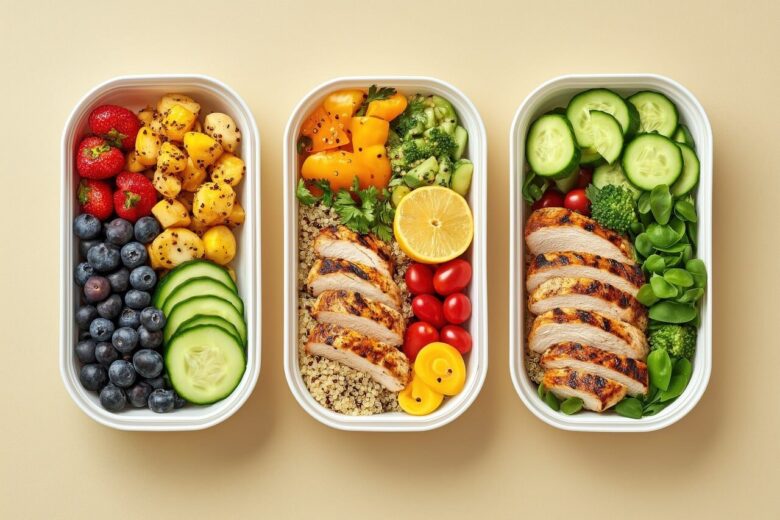
A visual plate is a starting point rather than a prescription. It can help you notice when a meal contains only pasta, only meat, or only salad without enough substance.
A practical plate structure
Use these proportions as visual prompts and adjust them according to the meal and the person eating it.
The template can be applied to mixed meals. In a bean-and-rice bowl, the vegetables may cover the top instead of occupying a separate side of the plate. In soup, all parts may share the same bowl. In a sandwich meal, fruit or vegetables may be served beside the sandwich.
Build Meals by Function Instead of by Numbers
For example, oatmeal provides the meal foundation. Milk or yogurt and peanut butter can add protein and other nutrients. Banana or berries add fruit. Cinnamon, nuts, or seeds add flavor and texture.
A pasta dinner can use pasta as the foundation, white beans or chicken as protein, tomatoes and spinach as vegetables, and herbs, olive oil, or cheese for flavor.
Choose Portions Without Using a Food Scale
There is no single portion size that works for every person or every meal. The amount needed can change from one day to another.
Use a serve, pause, and adjust method
- Serve a reasonable starting amount based on your appetite and experience.
- Eat without rushing when circumstances allow.
- Pause before taking more and notice whether you remain hungry.
- Add more food when needed rather than treating the first portion as a strict limit.
- Save uneaten food safely when you have had enough.
The serving size on a Nutrition Facts label reflects an amount people typically consume. It does not tell every individual how much they should eat.
Activity, growth, meal timing, pregnancy, illness recovery, and many other factors can increase food needs.
A person who becomes full quickly may benefit from including protein-rich foods and other nutrient-dense ingredients in a smaller volume.
Eating more or less than usual at one meal does not require punishment, restriction, or an attempt to make the next meal perfect.
Use Four Questions Before Adding More Food
Notice whether the meal has reduced the empty, weak, distracted, or urgent feeling that led you to eat.
A meal can contain vegetables and protein but still feel incomplete when it lacks enough food, flavor, texture, or a suitable foundation.
When hunger remains, another portion of the complete meal may be more useful than searching immediately for a snack.
You may be physically comfortable but still want something sweet, crunchy, warm, cold, or familiar. That information can guide future meals.
Balanced Meals Do Not Need to Look Like a Divided Plate
Lentils provide protein and carbohydrates, vegetables add variety, bread adds another meal foundation, and oil or yogurt can add flavor and satisfaction.
Pasta provides the foundation, chicken provides protein, tomatoes and spinach add vegetables, and sauce or cheese completes the flavor.
Rice, beans, vegetables, salsa, avocado, yogurt, cheese, or eggs can be assembled according to preference and appetite.
Eggs provide protein, potatoes provide energy, vegetables add color and variety, and toast or fruit can be added when more food is needed.
Use tuna or another filling in bread, then add tomatoes, lettuce, vegetable soup, fruit, yogurt, or another suitable side.
Combine tofu, vegetables, rice or noodles, cooking oil, and a sauce with enough liquid and seasoning to make the meal enjoyable.
Top a potato with beans, chili, chicken, tuna, cottage cheese, vegetables, yogurt, cheese, salsa, or herbs.
Pair vegetable or bean soup with a tortilla filled with beans, cheese, chicken, eggs, or vegetables.
Balance Breakfast Without Forcing Dinner Foods
Breakfast can use the same principles while looking completely different from lunch or dinner.
Oatmeal bowl
Oats with milk or yogurt, fruit, peanut or seed butter, and optional nuts or seeds.
Egg breakfast
Eggs with toast or potatoes, vegetables, fruit, cheese, beans, or avocado.
Yogurt bowl
Plain or lightly sweetened yogurt with fruit, oats, cereal, nuts, seeds, or nut butter.
Sandwich or wrap
Bread or a tortilla with eggs, beans, cheese, chicken, tofu, vegetables, or fruit on the side.
A small breakfast may be enough for someone who eats lunch soon afterward. Another person may need a larger breakfast with additional bread, fruit, yogurt, eggs, oats, or another suitable food.
Use a Meal Matrix Instead of Counting
A meal matrix helps you create variety while repeating the same basic shopping list.
| Meal foundation | Protein option | Produce option | Flavor direction | Example meal |
|---|---|---|---|---|
| Rice | Black beans | Corn, peppers, tomatoes | Salsa, cumin, lime | Bean and rice bowl |
| Pasta | White beans | Tomatoes and spinach | Garlic, herbs, cheese | Tomato bean pasta |
| Potatoes | Eggs | Onions, peppers, greens | Paprika, herbs, salsa | Egg potato skillet |
| Bread | Tuna or chickpeas | Lettuce, tomato, cucumber | Mustard, yogurt, herbs | Sandwich and produce |
| Tortillas | Beans and cheese | Spinach, corn, peppers | Salsa or avocado | Quesadillas |
| Couscous | Chickpeas or chicken | Carrots, cucumber, tomatoes | Lemon, herbs, yogurt | Couscous bowl |
| Oats | Milk, yogurt, or nut butter | Banana or berries | Cinnamon, nuts, seeds | Oatmeal breakfast |
| Broth and lentils | Lentils | Carrots, tomatoes, greens | Herbs, spices, citrus | Lentil soup |
Plan the Week by Meal Categories
Planning categories provides structure without requiring seven unrelated recipes.
Rice, beans, vegetables, salsa, eggs, chicken, tofu, or preferred toppings.
Fish, chicken, tofu, or chickpeas with potatoes and vegetables.
Lentils, beans, vegetables, chicken, grains, broth, and bread.
Use cooked grains, protein, vegetables, and sauces before preparing more food.
Pasta with tomatoes, vegetables, beans, fish, poultry, tofu, or cheese.
Tacos, wraps, loaded potatoes, bowls, sandwiches, or personal flatbreads.
Breakfast foods, a freezer meal, food eaten away from home, or another family choice.
The categories can move according to the schedule and the foods that need to be used first. For a complete planning method, read our guide to building a healthy weekly meal plan on a budget.
Do Snacks Need to Be Balanced?
A snack can solve different problems. Sometimes it needs to provide enough food to bridge a long gap. Sometimes a piece of fruit or a few crackers is enough.
For a short gap
- Fruit
- Vegetables
- Yogurt
- A small handful of nuts
- Toast or crackers
For a longer gap
- Fruit with peanut or seed butter
- Yogurt with oats or fruit
- Cheese with crackers and vegetables
- Hummus with bread and vegetables
- Eggs with toast
For convenience
- A sandwich
- Trail mix that suits your needs
- A familiar snack bar
- Fruit and packaged nuts
- Leftover meal components
You do not need to combine two or three food groups every time you eat. Add more substance when the snack needs to prevent strong hunger before the next meal.
Use Food Labels Without Turning Them Into a Scorecard
Labels answer specific questions
- Serving size: What amount are the numbers based on?
- Fiber: How do similar breads, cereals, grains, or snack products compare?
- Sodium: How do soups, sauces, frozen meals, and canned foods compare?
- Added sugars: How do yogurts, cereals, drinks, sauces, and snacks compare?
- Ingredients: What is the product made from, and does it contain an allergen?
Compare bread with bread or yogurt with yogurt rather than trying to determine whether unrelated foods are nutritionally superior.
A smaller number may reflect a smaller labeled serving rather than a meaningful difference between products.
Fiber may matter when comparing bread, while sodium may deserve more attention in soup or sauce.
A higher-sodium sauce may be used in a meal built mostly from unsalted vegetables, beans, and grains.
Our guide to reading food labels and comparing similar products explains the Nutrition Facts panel in greater detail.
Build Balanced Meals From Affordable Foods
Balanced eating does not depend on premium foods, powders, specialty snacks, or expensive fresh produce.
- Use beans and lentils in soup, pasta, tacos, bowls, and stews.
- Use eggs for breakfast, dinner, sandwiches, fried rice, and vegetable skillets.
- Use frozen vegetables when fresh food would be wasted or requires too much preparation.
- Use canned tomatoes as a base for soup, pasta sauce, chili, and beans.
- Use oats, rice, pasta, bread, tortillas, and potatoes as flexible meal foundations.
- Choose seasonal fruit or frozen fruit according to price and intended use.
- Compare yogurt, canned fish, poultry, tofu, meat, and other proteins by usable serving.
- Use onions, garlic, herbs, spices, vinegar, and sauces to make simple ingredients enjoyable.
For more options, review our guides to affordable foods to consider buying each week and choosing between fresh and frozen foods.
Balanced Eating Away From Home
Restaurants
- Choose a main dish with a protein-rich ingredient.
- Add vegetables, fruit, soup, salad, beans, or another suitable side.
- Choose bread, rice, pasta, potatoes, tortillas, or another foundation according to appetite.
- Take leftovers home promptly when they can be refrigerated safely.
Buffets and shared meals
- Look at the available foods before filling the plate.
- Choose the items you genuinely want rather than taking everything.
- Begin with a reasonable amount and return when still hungry.
- Remember that balance can occur across the entire event.
Travel and work
- Combine convenience foods when one item is not enough.
- Add fruit, yogurt, nuts, vegetables, milk, or a sandwich when available.
- Keep shelf-stable backup foods suitable for your needs.
- Follow food-safety limits for packed and transported meals.
A restaurant meal does not need to resemble a home-cooked plate. Enjoy the food, respond to appetite, and return to your normal pattern at the next meal without compensatory restriction.
Adjust the Template for Different Needs
Growth and activity can produce changing appetites. Offer varied foods and suitable portions while allowing additional food when hunger remains.
Training and physical work may require larger portions, additional grains or starches, more protein-rich food, snacks, and attention to hydration.
Some people need less total food while still needing nutrient-dense protein foods, calcium, vitamin D, vitamin B12, fluids, vegetables, fruit, and fiber-rich foods.
Use varied beans, lentils, peas, soy foods, nuts, seeds, whole grains, vegetables, and fortified products, with professional guidance when nutrient gaps are a concern.
Nutrient and energy needs change. Follow prenatal or postpartum medical guidance and include varied nutrient-dense foods that are safe for the stage.
Smaller, more frequent meals with protein-rich and energy-dense ingredients may be more manageable than a large plate.
Common Mistakes When Avoiding Calorie Counting
Replacing calorie rules with rigid plate rules
A visual plate is a flexible prompt. It should not become another system in which every meal must have exact proportions regardless of hunger, activity, culture, or preference.
Assuming vegetables make a meal satisfying by themselves
Vegetables add variety and useful nutrients, but many meals also need a protein-rich ingredient, a grain or starch, fat, and enough total food.
Removing bread, rice, pasta, or potatoes automatically
These foods can provide energy and make meals more satisfying. Choose the type and amount that fit your needs rather than treating an entire food category as forbidden.
Believing every meal needs a large meat portion
Protein can come from beans, lentils, eggs, fish, poultry, meat, tofu, tempeh, dairy, nuts, seeds, or combinations of foods.
Ignoring sauces, oils, toppings, and pleasure
Flavor and satisfaction are part of a useful meal. The goal is not to make food as plain as possible.
Waiting for extreme hunger before eating
Strong hunger can make meal preparation and comfortable eating more difficult. Regular meals or planned snacks may work better when appetite cues are delayed or unreliable.
Trying to correct an indulgent meal
Return to your usual eating pattern at the next opportunity. One restaurant meal, dessert, celebration, or unusually large portion does not require punishment.
Using hunger and fullness to dismiss medical needs
Appetite alone may not provide enough guidance for someone with a medical condition, eating disorder history, medication effects, pregnancy, or impaired hunger signals.
Expecting every day to look the same
Food intake naturally changes with schedule, activity, sleep, illness, social events, and appetite. Look for a useful pattern rather than perfect daily repetition.
A Simple Seven-Step Routine
- Choose a meal foundation such as rice, pasta, bread, potatoes, oats, or tortillas.
- Add a protein-rich food that fits the meal.
- Add vegetables or fruit in a form you can prepare and enjoy.
- Add enough flavor, fat, sauce, or texture to make the meal satisfying.
- Serve a reasonable starting portion without treating it as a limit.
- Pause during or after the meal and notice whether hunger remains.
- Adjust the next meal based on what worked rather than judging the previous one.
A Practical Place to Begin
Choose one meal you already prepare regularly. Add the part it commonly lacks rather than replacing the entire meal.
Add beans or chicken to pasta. Add toast and fruit to eggs. Add yogurt and peanut butter to oatmeal. Add vegetables and a grain to soup. Add protein and a sauce to a salad.
Then serve enough food to respond to your appetite. A visual template can provide structure, but it should remain flexible enough to fit real people and real days.
Balanced eating is not created by one perfect plate. It develops through a varied, enjoyable, and practical pattern of meals that you can continue preparing.
For additional meal ideas, review our guides to easy protein foods for everyday meals, healthy dinners for busy families, and easy one-pot weeknight meals.

The ElsonFoods Editorial Team creates practical food guides, simple recipes, grocery tips, and everyday cooking advice for home cooks. Content is prepared for clarity, usefulness, and accuracy without implying professional medical, dietetic, or culinary credentials.