A kitchen that supports quick, healthy cooking does not need to contain every grain, sauce, spice, vegetable, or protein available at the store.
It needs a manageable group of foods that store well, connect with one another, and can become several dependable meals without requiring a special shopping trip.
The best foods to keep at home depend on what your household actually eats. Rice is not a useful staple when nobody wants rice, and a large container of yogurt is not economical when most of it remains unused after opening.
Use a Five-Part Quick-Meal System
Most simple meals can be assembled from five jobs. Not every meal requires a separate ingredient for every job because one food may perform more than one function.
Foundation + protein + produce + flavor + backup
Keep at least two realistic options in the first four groups and one complete emergency meal.
Rice, beans, frozen vegetables, and salsa can become bowls. Pasta, canned tomatoes, white beans, and spinach can become dinner in one pot. Eggs, bread, vegetables, and fruit can become a quick meal at any time of day.
Divide Your Food Supply Into Three Storage Zones
Pantry zone
Use this area for dry and shelf-stable foods that support meals when fresh food is limited.
- Rice, pasta, oats, and other grains
- Beans, lentils, and canned fish
- Canned tomatoes and broth
- Nut or seed butter
- Oil, vinegar, herbs, and spices
Freezer zone
Use the freezer for longer-term produce, proteins, bread, prepared components, and emergency portions.
- Plain frozen vegetables
- Frozen fruit
- Portioned meat, poultry, fish, or tofu
- Bread and tortillas
- Cooked grains, soups, and sauces
Refrigerator zone
Keep this area focused on versatile foods that the household can use before quality declines.
- Eggs
- Plain yogurt or another suitable dairy food
- Durable vegetables
- One or two delicate produce choices
- Cheese, hummus, or another quick addition
Twenty Essential Foods for Quick Home Cooking
This is a flexible list rather than a requirement. Choose the foods that match your dietary needs, budget, equipment, storage space, and preferred meals.
Why it earns space
A familiar grain can connect vegetables, beans, eggs, fish, poultry, tofu, and leftovers into a complete meal. Keep one or two varieties instead of several partly used packages.
Cooking times and liquid ratios differ. Follow the directions for the specific grain rather than substituting one variety without adjusting the method.
Why it earns space
Pasta cooks quickly, requires little preparation, and works with shelf-stable sauces, frozen vegetables, beans, canned fish, cheese, and leftovers.
One long shape and one short shape are usually enough for most households.
Why it earns space
Plain oats can become hot cereal, overnight oats, pancakes, muffins, crumble toppings, smoothies, or savory bowls.
Large plain containers often offer more flexibility than individually flavored packets, provided the quantity fits household use.
Why it earns space
Bread products can turn eggs, hummus, beans, canned fish, cheese, vegetables, or leftovers into a meal with little cooking.
Freezing portions can help prevent mold and allow only the needed amount to be removed.
Why it earns space
Potatoes can become a side dish, soup ingredient, breakfast skillet, tray meal, or complete dinner when topped with beans, vegetables, eggs, fish, yogurt, cheese, or leftovers.
Choose firm potatoes and avoid badly damaged, heavily sprouted, or extensively green potatoes.
Why it earns space
Black beans, chickpeas, kidney beans, white beans, and pinto beans can enter bowls, tacos, soup, pasta, salads, spreads, and quesadillas.
Compare sodium, ingredients, drained quantity, and package size. Drain or rinse when appropriate for the recipe and your preferences.
Why it earns space
Lentils usually cook faster than many dried beans and can add substance to tomato sauce, soup, curry, grain bowls, tacos, and mixed meat dishes.
Red lentils soften readily, while green and brown varieties usually retain more shape.
Why it earns space
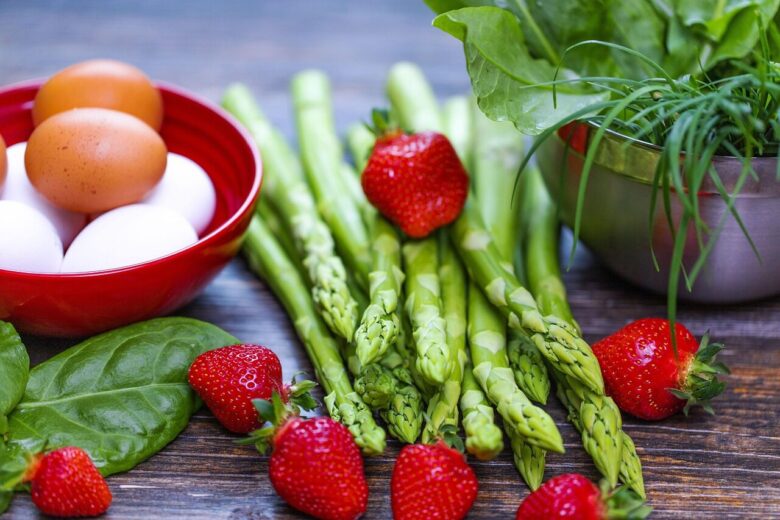
Eggs can become scrambles, omelets, breakfast tacos, fried rice, sandwiches, baked dishes, salads, and quick skillets.
Store eggs refrigerated in their original carton rather than in a warmer refrigerator door compartment.
Why it earns space
Tuna, salmon, sardines, and other canned fish can become a meal without thawing or lengthy cooking.
Compare serving size, drained weight, sodium, packing liquid, species, price, and any fish-consumption guidance relevant to your household.
Why it earns space
Choose one or two proteins your household cooks confidently. Divide large packages into meal-sized portions before freezing and label each package clearly.
Thaw perishable food in the refrigerator, cold water, or microwave rather than on the counter.
Why it earns space
Plain yogurt can work with fruit and oats or become a sauce for bowls, potatoes, vegetables, meat, poultry, and wraps.
Large containers may cost less per ounce, but individual cups can provide better value when the larger container would not be finished after opening.
Why it earns space
Nut and seed butters can add flavor and substance to toast, oatmeal, fruit, smoothies, sauces, noodles, and snacks.
Check allergens, serving size, added sugars, sodium, ingredients, price, and storage instructions.
Why it earns space
Peas, spinach, broccoli, corn, green beans, and mixed vegetables can be portioned directly into soup, pasta, eggs, curry, rice, casseroles, or side dishes.
Plain vegetables provide greater flexibility than products packaged with a sauce or seasoning.
Why it earns space
Berries, mango, peaches, cherries, and bananas can support breakfast and snacks when fresh fruit is unavailable or likely to spoil.
Check for added sugar when choosing sweetened or sauced products.
Why it earns space
Diced, crushed, puréed, and whole tomatoes can become quick sauces and cooking liquids. Tomato paste provides concentrated flavor in smaller quantities.
Freeze small portions of unused tomato paste when they will not be used promptly.
Why it earns space
Onions and garlic can build flavor in beans, rice, soup, pasta, eggs, meat, poultry, tofu, sauces, and vegetables.
Garlic powder and onion powder remain useful backups when fresh preparation is not practical.
Why it earns space
Durable vegetables are useful when the schedule is unpredictable. Carrots and cabbage can enter soup, slaw, stir-fries, fried rice, pasta, tacos, and tray meals.
Buy quantities that fit the household rather than the largest bag automatically.
Why it earns space
Spinach, lettuce, asparagus, broccoli, zucchini, peppers, or another preferred vegetable can provide texture and freshness that frozen foods may not replace in every meal.
Choose one or two delicate items at a time and assign them to specific meals before shopping.
Why it earns space
Bananas, apples, oranges, pears, berries, melons, and other fruits can be selected according to price, season, ripeness, and intended use.
Choose different ripeness stages when buying several pieces so they do not all need to be eaten at once.
Why it earns space
Broth, bouillon, and concentrated bases can add flavor and liquid without requiring homemade stock for every meal.
Compare serving size, sodium, ingredients, storage after opening, and how much will be used before purchasing a large container.
Quick Reference by Storage Area
| Storage area | Core foods | Meal role | Best habit | Main risk |
|---|---|---|---|---|
| Pantry | Rice, pasta, oats, beans, lentils, tomatoes, canned fish | Foundations, proteins, and sauce starters | Rotate older packages forward | Duplicates, pests, moisture, and forgotten open packages |
| Freezer | Vegetables, fruit, bread, proteins, grains, soup, sauce | Longer-term backups and prepared components | Label and portion before freezing | Unidentified packages and quantities too large to thaw conveniently |
| Refrigerator | Eggs, yogurt, cheese, durable produce, delicate produce | Fast proteins, fresh texture, and meal additions | Create an “eat first” area | Overbuying perishables and hiding leftovers |
| Counter or cool storage | Suitable fruit, potatoes, onions, garlic | Meal foundations, flavor, and ready-to-eat produce | Check condition regularly | Heat, moisture, sunlight, and unsuitable storage combinations |
Keep a Small but Useful Flavor System
Quick cooking becomes repetitive when every combination tastes the same. A small group of versatile flavor ingredients can create several directions without filling the refrigerator with partly used sauces.
Aromatic ingredients
- Onion
- Garlic
- Ginger when used regularly
- Garlic or onion powder
- Fresh or dried herbs
Acidic ingredients
- Lemon or lime
- Vinegar
- Mustard
- Tomatoes
- Pickled vegetables
Savory ingredients
- Soy sauce
- Broth or bouillon
- Cheese
- Miso when used regularly
- Olives or capers
Finishing ingredients
- Salsa
- Yogurt sauce
- Hot sauce
- Nuts or seeds
- Fresh herbs
Choose one or two products from each useful group rather than purchasing every option. Prepared sauces may be worthwhile when they help you cook at home and are used consistently.
Set a Restocking Level Instead of Buying From Memory
A simple restocking level tells you when a staple belongs on the grocery list. This can help prevent both running out and accumulating several unopened packages.
Example household restocking rules
- Rice or pasta: add to the list when only two planned meals remain.
- Canned beans: keep enough for two emergency meals.
- Frozen vegetables: replace when only one partial bag remains.
- Eggs: restock according to weekly use rather than carton size alone.
- Broth and tomatoes: keep one unopened backup when they are used frequently.
A family using beans four times a week needs a different restocking level from someone who uses them twice a month.
A low unit price does not justify filling a small pantry or freezer beyond the space available.
Reduce the quantity when products remain untouched and increase it when the household repeatedly runs out.
Use a paper list, shared phone note, or grocery application instead of expecting everyone to remember what is low.
Ten Fast Meals From the Same Core Foods
Combine rice, beans, frozen vegetables, salsa, yogurt, cheese, eggs, or another available topping.
Use pasta, canned tomatoes, beans, frozen spinach, herbs, and optional cheese.
Use properly refrigerated cooked rice, eggs, frozen vegetables, oil, and soy sauce.
Combine lentils, tomatoes, broth, carrots, onion, herbs, and bread or another side.
Top potatoes with beans, vegetables, canned fish, yogurt, cheese, salsa, or leftovers.
Fill tortillas with beans, cheese, vegetables, and seasoning, then serve with salsa or yogurt.
Combine canned fish, beans, cabbage or greens, tomatoes, vinegar, oil, and herbs.
Use oats, milk or yogurt, fruit, nut or seed butter, cinnamon, and optional nuts or seeds.
Prepare eggs with frozen or fresh vegetables and serve with toast, fruit, or yogurt.
Simmer chickpeas with tomatoes, frozen vegetables, curry seasoning, and coconut milk or broth.
For more complete instructions, review our guides to easy homemade meals for beginners, easy one-pot weeknight dinners, and simple family dinners using pantry ingredients.
Create Five Emergency Meals
An emergency meal should use ingredients you normally keep, require little planning, and remain possible when one component is missing.
Egg meal
Eggs, toast or tortillas, frozen vegetables, fruit, and optional beans or cheese.
Pasta meal
Pasta, canned tomatoes or sauce, beans, frozen vegetables, and herbs.
Rice bowl
Rice, canned beans or fish, vegetables, salsa, yogurt, or another sauce.
Soup meal
Prepared broth or soup with added beans, vegetables, grains, pasta, or cooked protein.
Low-cooking meal
Bread or crackers with hummus, canned fish, cheese, fruit, vegetables, or nut butter.
Use the Freezer as Active Storage
A freezer is most useful when food enters in identifiable, usable quantities and leaves according to a plan.

The ElsonFoods Editorial Team creates practical food guides, simple recipes, grocery tips, and everyday cooking advice for home cooks. Content is prepared for clarity, usefulness, and accuracy without implying professional medical, dietetic, or culinary credentials.
The ElsonFoods Editorial Team creates practical food guides, simple recipes, grocery tips, and everyday cooking advice for home cooks. Content is prepared for clarity, usefulness, and accuracy without implying professional medical, dietetic, or culinary credentials.