A protein-rich meal does not have to begin with an expensive steak, a supplement, or a product covered in fitness claims.
Eggs, beans, lentils, yogurt, fish, poultry, tofu, cottage cheese, nuts, and seeds can all fit into practical everyday cooking. The most useful choice is the one that suits your budget, dietary needs, cooking time, and the rest of the meal.
Protein helps the body build and maintain tissues, but it is only one part of a balanced eating pattern. Vegetables, fruit, grains, fats, and other foods still provide nutrients and energy that protein foods cannot replace.
Choose Protein by the Problem You Need to Solve
A long ranking of foods is less useful than knowing which option works in a particular situation. Start with the problem in front of you.
When the grocery budget is tight
Build meals around dried lentils, canned beans, eggs, peanut butter, and sale-priced poultry.
- Compare unit prices rather than package prices.
- Use meat as part of a dish instead of the entire meal.
- Choose store brands when the ingredients and quality suit you.
When dinner needs to be ready quickly
Use foods that are already cooked or need only a few minutes of preparation.
- Canned tuna or salmon
- Eggs
- Greek-style yogurt
- Cottage cheese
- Canned beans
When you want fewer meat-based meals
Beans, lentils, tofu, tempeh, edamame, nuts, seeds, and soy foods can provide variety without requiring specialty products.
- Begin with familiar meals such as tacos, chili, soup, or stir-fry.
- Replace part of the meat before replacing all of it.
- Use sauces and seasonings that the household already enjoys.
When you need food that travels well
Portable options should be easy to pack and safe to hold at the correct temperature.
- Nut or seed butter sandwiches
- Roasted chickpeas
- Nuts and seeds
- Hard-cooked eggs kept cold
- Yogurt or cheese carried with an ice pack
Ten Useful Protein Foods for Everyday Cooking
The protein amounts below are approximate. Brands, preparation methods, serving sizes, fat content, and added ingredients can change the numbers. Check the Nutrition Facts label when comparing packaged foods.
Eggs
About 6 g per large eggEggs are useful because they cook quickly and work at breakfast, lunch, or dinner. They can be scrambled with vegetables, added to fried rice, baked into a frittata, boiled for snacks, or served over grains and toast.
Beans
Often 14–16 g per cooked cupBlack beans, kidney beans, chickpeas, white beans, and pinto beans can add protein, fiber, and substance to meals. Canned beans save time, while dried beans may cost less per cooked serving.
Lentils
About 18 g per cooked cupLentils generally cook faster than many dried beans and usually do not require soaking. Red lentils soften into soups, curries, and sauces, while green or brown lentils hold their shape better in salads and bowls.
Chicken
Often 25–30 g per cooked 3 ozChicken breast and thigh meat can both fit into everyday meals. Breast is leaner, while thighs tend to remain moist more easily and may be less expensive depending on the store and region.
Canned fish
Often 18–25 g per drained servingTuna, salmon, sardines, and other canned fish are shelf-stable and require little preparation. They can be added to pasta, sandwiches, patties, salads, grain bowls, or vegetable dishes.
Plain Greek-style yogurt
Often 15–20 g per cupMany Greek-style yogurts provide more protein than regular yogurt, although the amount varies considerably by brand. Plain yogurt also works in sweet and savory meals.
Cottage cheese
Often 24–28 g per cupCottage cheese can be served with fruit, tomatoes, herbs, toast, crackers, potatoes, or pasta. Texture, salt, and protein vary by brand, curd size, and fat level.
Tofu and tempeh
Amount varies by type and brandFirm tofu works well in stir-fries, baked dishes, bowls, curries, and scrambles. Tempeh has a firmer texture and a more pronounced flavor. Both absorb marinades and sauces well.
Peanut, nut, and seed butters
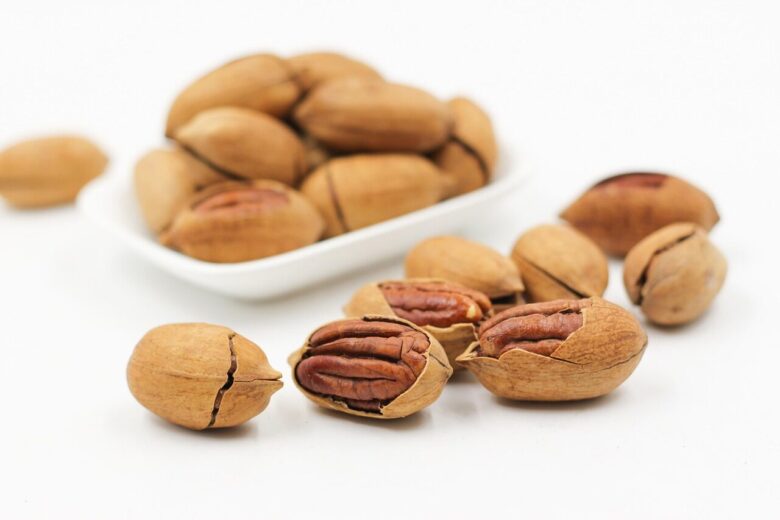
Often 6–8 g per 2 tablespoonsNut and seed butters provide protein along with fat, so portions are smaller than they are for beans, yogurt, or poultry. They are useful on toast, in oatmeal, smoothies, sauces, and snacks.
Lean ground meat or poultry
Often 20–25 g per cooked servingGround turkey, chicken, beef, and pork can be used in chili, meatballs, tacos, pasta sauce, patties, and stuffed vegetables. Fat content and price vary, so no single option is automatically best.
Quick Comparison of Common Protein Foods
| Food | Approximate protein | Preparation time | Budget level | Useful feature |
|---|---|---|---|---|
| Large egg | About 6 g each | 3–12 minutes | Usually low | Quick and highly flexible |
| Cooked lentils | About 18 g per cup | 15–35 minutes | Usually low | Protein and fiber together |
| Canned beans | Often 14–16 g per cup | Ready to heat | Usually low | Convenient pantry option |
| Chicken | Often 25–30 g per cooked 3 oz | 15–45 minutes | Price varies | Easy to prepare in batches |
| Canned tuna or salmon | Often 18–25 g per serving | No cooking required | Low to moderate | Long pantry life |
| Greek-style yogurt | Often 15–20 g per cup | Ready to eat | Moderate | Works in sweet and savory dishes |
| Cottage cheese | Often 24–28 g per cup | Ready to eat | Moderate | Provides protein with no cooking |
| Firm tofu | Varies by brand and serving | 10–30 minutes | Price varies | Absorbs many different flavors |
| Peanut butter | Often 6–8 g per 2 tbsp | Ready to use | Usually low | Portable and shelf-stable |
Protein values are not directly comparable unless the serving sizes are also considered. A cup of cottage cheese, two tablespoons of peanut butter, and a three-ounce serving of chicken are very different amounts of food.
Build a Protein-Rich Meal Without Turning It Into a Math Problem
The four-part everyday meal
Instead of counting every gram, combine a recognizable protein food with produce, a source of energy, and something that makes the meal enjoyable.
Ten Meals That Use Ordinary Ingredients
Scrambled eggs, black beans, tortillas, salsa, and any available vegetables.
Roast chicken pieces, potatoes, carrots, and onions together with a simple seasoning blend.
Simmer lentils with tomatoes, carrots, onions, broth, and dried herbs.
Combine canned tuna, white beans, tomatoes, greens, vinegar, and olive oil.
Add oats, fruit, seeds, or nuts to plain yogurt and adjust sweetness at home.
Serve seasoned tofu with rice, frozen vegetables, and a soy, garlic, or peanut-based sauce.
Combine a smaller amount of ground turkey with beans, tomatoes, onions, and spices.
Top a baked potato with cottage cheese, herbs, black pepper, and vegetables.
Mix chickpeas, pasta, chopped vegetables, herbs, and a mustard vinaigrette.
Mix peanut butter with soy sauce, water, citrus, and garlic, then toss with noodles and vegetables.
Spread Protein Across Meals Instead of Saving It All for Dinner
Some people eat little protein at breakfast and lunch, then depend on a larger serving at dinner. A practical alternative is to include a protein source at several points during the day.
Breakfast additions
- Eggs with toast or potatoes
- Yogurt with oats and fruit
- Peanut butter on toast
- Cottage cheese with fruit or tomatoes
- Tofu scramble with vegetables
Lunch additions
- Beans in soups and salads
- Tuna or salmon in sandwiches
- Leftover chicken in wraps
- Lentils in grain bowls
- Eggs added to rice or noodles
Simple snacks
- Yogurt
- Hard-cooked eggs
- Nuts or seeds
- Roasted chickpeas
- Cheese with fruit or crackers
Dinner strategies
- Add beans to ground meat dishes
- Use tofu in stir-fries
- Serve fish with grains and vegetables
- Add lentils to tomato sauce
- Use eggs in vegetable skillets
How to Spend Less on Protein Foods
- Compare the unit price and the number of usable servings rather than choosing by package size alone.
- Keep eggs, canned beans, lentils, and another reliable low-cost protein available for weeks when meat prices are high.
- Use a smaller amount of meat with beans, lentils, grains, or vegetables in chili, tacos, soups, and pasta sauces.
- Buy larger packages only when you have freezer space and a realistic plan for dividing them.
- Compare family-size yogurt and cottage cheese containers with individual cups by price per ounce.
- Choose plain products when flavored versions add cost, sugar, or ingredients you do not need.
- Use canned fish as a meal ingredient instead of treating it only as a sandwich filling.
- Plan meals around current sales without purchasing unfamiliar products simply because they are discounted.
For a broader shopping strategy, see our guide to saving money on groceries without sacrificing quality.
Regular Foods Versus Products Marketed as High Protein
Ordinary protein foods
- Usually fit into several meals
- May provide fiber, calcium, iron, or unsaturated fats
- Often available as lower-cost store brands
- Can be combined with foods already at home
- Examples include eggs, beans, yogurt, fish, and tofu
Specialty high-protein products
- May cost more per serving
- Can contain added sugars, sodium, sweeteners, or flavorings
- May still be useful when convenience is important
- Should be compared by serving size and full label
- Examples include bars, shakes, cereals, and snack products
A protein bar or shake is not automatically a poor choice, and a homemade meal is not automatically balanced. The important comparison is between the actual products, serving sizes, ingredients, price, and purpose.
What to check on the label
- Confirm the serving size and number of servings in the package.
- Compare protein grams using the same amount of food.
- Check sodium, saturated fat, added sugar, and calories when those values matter to you.
- Review the ingredient list for allergens and ingredients you prefer to avoid.
- Consider whether the product will replace a meal, supplement a meal, or simply function as a snack.
Plant proteins do not need to be perfectly paired at every meal
A varied eating pattern that includes beans, lentils, soy foods, nuts, seeds, grains, and vegetables can provide the amino acids the body needs. Most people do not need to combine a specific bean and grain at the same sitting.
Pairing foods can still make meals more enjoyable and complete. Beans with rice, hummus with bread, lentils with grains, and peanut butter with toast are practical combinations because they provide energy, flavor, and different nutrients.
Keep Protein Foods Safe
Perishable protein foods such as meat, poultry, fish, eggs, dairy products, tofu, and cooked beans can allow harmful bacteria to grow when stored or handled incorrectly.
- Keep raw meat, poultry, and seafood separated from ready-to-eat food.
- Use a food thermometer rather than relying only on color or texture.
- Refrigerate perishable food within two hours, or within one hour above 90°F (32°C).
- Store cooked leftovers in shallow, covered containers.
- Use most refrigerated leftovers within three to four days or freeze them earlier.
- Thaw frozen food in the refrigerator, in cold water, or in the microwave when it will be cooked immediately.
Our detailed guide to storing food safely and keeping it fresh longer includes refrigerator, freezer, leftover, and thawing instructions.
Common Questions About Everyday Protein
Do I need protein powder to eat enough protein?
Many people can meet their needs through regular food. Protein powder may still be useful for someone who has limited appetite, specific athletic goals, difficulty preparing food, or guidance from a healthcare professional. It is a convenience product, not a requirement for everyone.
Is animal protein better than plant protein?
Animal and plant foods have different strengths. Meat, fish, eggs, and dairy often provide a concentrated amount of protein. Beans, lentils, nuts, seeds, and soy foods may also provide fiber, unsaturated fats, and other nutrients. A varied diet can include either or both.
Are chicken thighs less healthy than chicken breasts?
Chicken thighs generally contain more fat than breast meat, but portion size, skin, preparation method, and the rest of the meal also matter. Thighs may be more affordable and easier to cook without drying out. Choose according to your needs and preferences.
Is canned fish a good everyday option?
Canned fish is convenient and can be part of a varied eating pattern. Compare sodium, serving size, packing liquid, and fish species. Follow current public-health guidance for fish consumption, particularly during pregnancy or when serving young children.
Does more protein automatically build more muscle?
Protein supplies building materials, but muscle growth also depends on resistance exercise, enough total food, recovery, sleep, health, and individual circumstances. Simply adding large quantities of protein without appropriate training does not guarantee muscle growth.
What is the easiest way to begin?
Choose three dependable foods: one quick option, one low-cost pantry option, and one meal-prep option. For example, eggs, lentils, and chicken or tofu can cover many different meals without requiring a complete change in the way you cook.
A Practical Place to Start
Choose protein foods for usefulness rather than marketing. Eggs, beans, lentils, canned fish, yogurt, cottage cheese, poultry, tofu, nuts, and seeds can all solve different cooking problems.
Keep two or three options available, combine them with vegetables and a familiar meal foundation, and rotate sources during the week. Variety is more practical than trying to identify one perfect protein food.
For additional meal ideas, review our guides to planning balanced meals without counting calories and affordable foods to consider buying each week.

The ElsonFoods Editorial Team creates practical food guides, simple recipes, grocery tips, and everyday cooking advice for home cooks. Content is prepared for clarity, usefulness, and accuracy without implying professional medical, dietetic, or culinary credentials.